
Winter in Western North Carolina brings stunning mountain views, crisp air, and the occasional snowfall that transforms the region into a peaceful landscape. Along with this beauty, homeowners face a real challenge during the colder months: protecting their roofs from ice dams and winter damage.
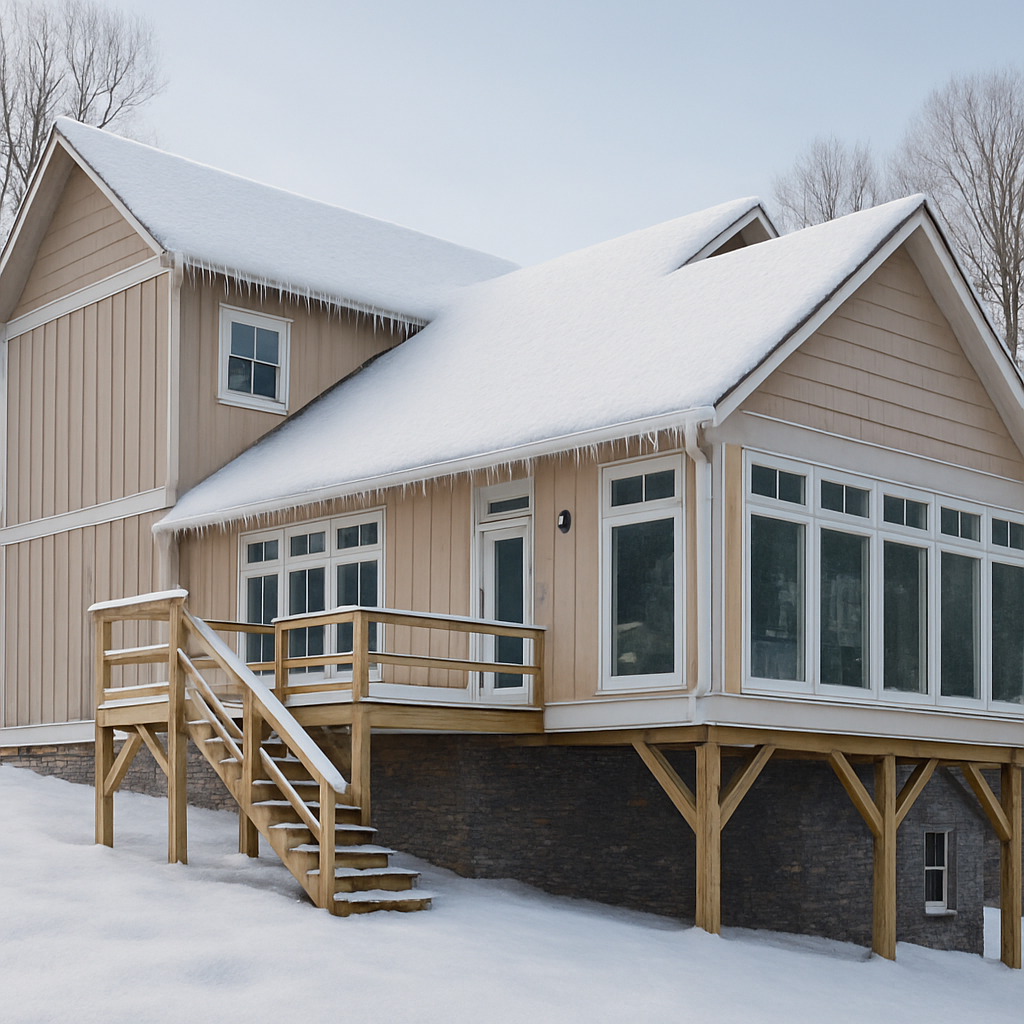
Ice dams form when heat escapes from a home and melts the snow on the roof. As the melted water runs down toward the eaves, it refreezes and creates a ridge of ice. Water then backs up behind that ridge and can seep under shingles, cause leaks, damage insulation, stain ceilings, and reduce the overall lifespan of the roofing system.
At Brock Builders, we believe proper winter roof care is essential to maintaining the longevity, efficiency, and performance of your home. Here are practical steps homeowners can take to prevent ice dams and protect their most important investment.
1. Ensure Proper Attic Insulation
A well insulated attic keeps warm air inside your living space where it belongs. Without adequate insulation, heat rises through the roof and melts snow unevenly, which is the primary cause of ice dams.
Upgrading insulation helps:
- Maintain consistent indoor temperatures
- Reduce heat loss through the roof
- Support better energy efficiency and lower utility bills
- Minimize uneven melting on the roof surface
Green building practices emphasize insulation for good reason. It protects both your home and your energy usage throughout winter.
2. Improve Attic Ventilation
While insulation keeps heat in, ventilation allows cold air to circulate properly through the attic. This balance is key. When an attic stays close to the outdoor temperature, the snow on the roof melts slowly and evenly, reducing the conditions that create ice dams.
Signs your attic may need better ventilation include:
- Warm, stuffy air in the attic space
- Moisture or frost buildup
- Icicles forming along the roofline
Proper airflow is one of the simplest long term defenses against winter roof damage.
3. Clean Gutters Before Freezing Weather Arrives
Clogged gutters trap snowmelt and allow water to pool and refreeze at the roof’s edge. Clean gutters allow water to drain away properly, which reduces backup and the risk of ice formation.
Before temperatures drop, make sure your gutters are:
- Cleared of leaves, pine needles, and debris
- Sloped correctly to allow consistent drainage
- Checked for cracks or sagging sections
This quick seasonal task can prevent issues all winter long.
4. Safely Remove Excess Snow
A light snowfall is no concern for a well built roof, but heavy accumulation can lead to uneven melting and increased pressure from ice buildup. Clearing snow from the roof helps prevent both structural stress and the formation of ice dams.
However, it must be done safely. Homeowners should:
- Use a roof rake from the ground rather than climbing
- Avoid scraping or damaging shingles
- Contact a professional for hard to reach areas
Never attempt to chip away at ice, which can harm roofing materials and create new problems.
5. Schedule Routine Roof Inspections
Winter can expose even minor issues such as loose shingles or flashing gaps. A seasonal inspection from a qualified roofing contractor can identify small concerns before they lead to leaks or damage.
Routine assessments help ensure:
- Shingles are secure
- Flashing is intact
- There are no soft spots or moisture issues
- Ventilation remains adequate
Regular roof maintenance is one of the best investments for long term home health.
Building Homes That Stand Strong Through Every Season
At Brock Builders, we are committed to building homes that perform beautifully throughout the winter. Our approach to construction prioritizes insulation, tight building methods, and high quality materials that reduce heat loss and support the home’s long term durability.
Winter roof care is a partnership between thoughtful construction and mindful seasonal upkeep. With the right preparation, your home stays safe, warm, and efficient, even through freezing temperatures.